


Key Takeaways
- Your corneas need oxygen to stay healthy, and contacts block airflow while you sleep.
- Sleeping in contacts raises your infection risk up to 8 times compared to removing them nightly.
- If you wake up wearing contacts, use rewetting drops before you try to remove them.
- Some lenses are approved for overnight wear, but it is important to follow proper wearing schedules.
- Pain, redness, or blurred vision after sleeping in contacts is a reason to see your eye doctor.
You probably already know that taking your contacts out at night is the right move. But on a late night, it’s easy to skip that step and deal with it in the morning. The problem is that what happens to your eyes during those hours matters more than most people realize. EyeWorks Madison sees patients regularly who have questions about safe contact lens habits, and this one comes up often.
Sleeping in contact lenses is not safe for most people and can put your vision at real risk.
Your cornea, the clear dome covering the front of your eye, doesn’t have blood vessels. It gets oxygen directly from the air around it. When you wear contacts, the lens sits right on the cornea and limits how much oxygen gets through.
During the day, blinking helps move things along. At night, your eyes are closed, oxygen drops to about one-third of normal exposure, and your contacts trap that environment against your eye for hours. There’s also no blinking to keep moisture moving, which means dryness builds up while you sleep. This is why following the proper wear schedule is so important.
The Risks of Sleeping in Contacts
One uncomfortable morning isn’t the only concern. Sleeping in contacts raises your risk of a serious eye infection by up to 8 times compared to people who remove them each night.
Infections and Corneal Damage
Bacterial keratitis is an infection of the cornea that can happen when bacteria get trapped under a contact lens. It’s painful, and in serious cases, it can cause permanent vision loss. The longer the lens sits on your eye without a break, the more opportunity there is for bacteria and debris to build up. Your immune system responds to that buildup, which adds to the irritation and inflammation. The proper care and cleaning of your lenses each day goes a long way toward reducing that risk.
Signs Something May Be Wrong
After sleeping in contacts, pay attention to how your eyes feel. Some discomfort right after waking up is common, but certain symptoms point to something that needs attention, including:
- Eye pain or redness that doesn’t clear up quickly.
- Increased sensitivity to light.
- Blurred vision that doesn’t improve after removing your lenses and changing to your glasses.
- Unusual discharge from one or both eyes.
- Excessive tearing or irritation that sticks around.
What to Do After You Accidentally Fall Asleep with Contacts In
It can happen to anyone. If you wake up and realize your lenses are still in, don’t panic, but don’t rush either. Pulling a dry contact off your eye can scratch the cornea. Follow these steps:
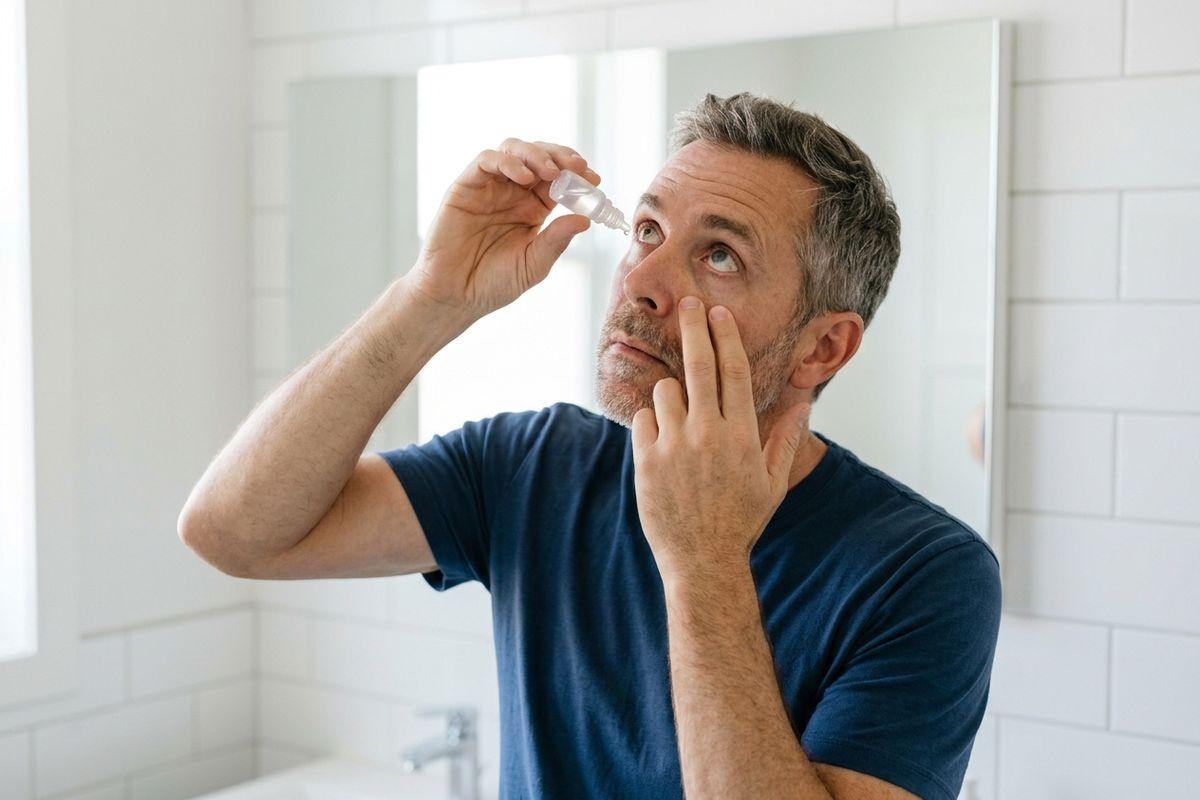
- Put rewetting drops or artificial tears in your eyes and wait a few minutes before touching the lens.
- Remove the lens slowly and gently, without pulling or tugging at it.
- Switch to glasses for the rest of the day to give your eyes time to recover.
If your eyes still feel off after a full day of rest, that’s worth a call to an eye doctor. Symptoms that linger could point to a condition that needs prompt attention.
Are Any Contacts Safe for Overnight Wear?
FDA-Approved Extended Wear Lenses
Some contact lenses are approved by the FDA for extended wear, meaning you can sleep in them. Certain silicone hydrogel lenses fall into this category, with some approved for up to 7 consecutive nights and others for up to 30. They allow significantly more oxygen through than older soft lens materials.
That said, even approved overnight lenses come with a higher risk of infection than daily removal. Each contact lens type carries its own set of tradeoffs, and your eye doctor can help you decide whether overnight wear makes sense for your lifestyle.
Orthokeratology Lenses
Orthokeratology, often called ortho-k, works differently. These are rigid gas-permeable lenses designed to be worn only during sleep. They gently reshape the cornea overnight so that during the day, you can see clearly without any contacts or glasses. Ortho-k can be a good fit for people who want freedom from daytime lenses and are good candidates based on their prescription and corneal shape.
When to See an Eye Doctor About Contact Lens Wear
Most people can recover fine from a single night of sleeping in their contacts. The concern grows when symptoms don’t go away or when it becomes a habit.
Schedule a visit with an eye doctor if you notice any of the following:
- Symptoms that last more than a day after removing your lenses.
- Any pain, unusual discharge, or sudden change in your vision.
- You’re curious about extended wear or ortho-k options.
Take Care of Your Eyes
EyeWorks Madison offers contact lens exams and can help you find the right lens type for how you actually live, not just ideal conditions. If you’re in Madison, MS, or the surrounding area, reaching out to schedule an appointment is a simple first step toward keeping your eyes comfortable and healthy.