
Key Takeaways
- Children should have their first exam between 6 and 12 months old, then again between the ages of 3 and 5, then annually once school starts.
- Most adults need an exam every 1 to 2 years, or yearly if they wear glasses or contacts.
- Adults 65 and older benefit from annual exams due to higher risk for cataracts and macular degeneration.
- Diabetes, family history of eye disease, and certain medications may call for more frequent visits.
- Sudden changes in vision, flashes, or eye pain are reasons to seek care right away.
Your vision can shift so gradually that you barely notice it happening. By the time blurry road signs or tired eyes become obvious, the change has often been building for months. A routine eye exam can catch those shifts early, often before they affect your daily life.
EyeWorks Madison sees patients of all ages, and one of the most common things our team hears is that someone had no idea their vision had changed until the exam revealed it. Eye exams do more than check your prescription. Your eye doctor can spot early signs of glaucoma, retinal changes, and other conditions that rarely cause pain or obvious symptoms at first. In some cases, the comprehensive eye exam reveals signs of diabetes or high blood pressure before you’ve received a diagnosis elsewhere.
Most people need an eye exam at least once every 1 to 2 years, though some need to go more often depending on their age, health, and risk factors.
Eye Exam Frequency by Age
Kids and Teens
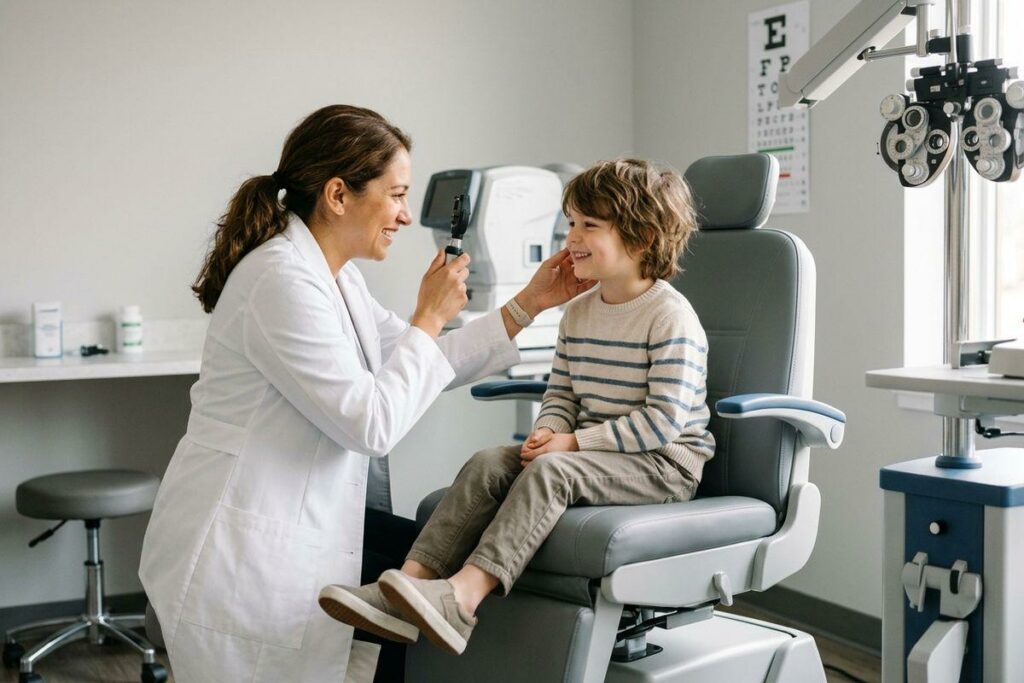
Children should have their first exam between 6 and 12 months old, then again between 3 and 5 years old. Vision problems like amblyopia, commonly called lazy eye, and crossed eyes are much easier to address when caught early. Once school begins, annual exams make sense. Children’s eyes change quickly, and a prescription that fit perfectly last fall may not be doing the job by spring.
Adults Ages 19 to 64
If your eyes are healthy and you don’t wear glasses or contacts, an exam every 2 years is generally reasonable. If you do wear glasses or contacts, a yearly visit helps make sure your prescription stays accurate. Lenses that are even slightly off can cause headaches and eye fatigue that you might write off as screen time or stress.
Adults 65 and Older
Annual exams become more important as you get older. Cataracts, a clouding of the eye’s natural lens, and macular degeneration, a condition affecting central vision, both become more common with age. Neither announces itself loudly at first. Yearly visits give your eye doctor a chance to monitor changes and act before vision is significantly affected.
Conditions That Call for More Frequent Exams
Diabetes and Eye Health
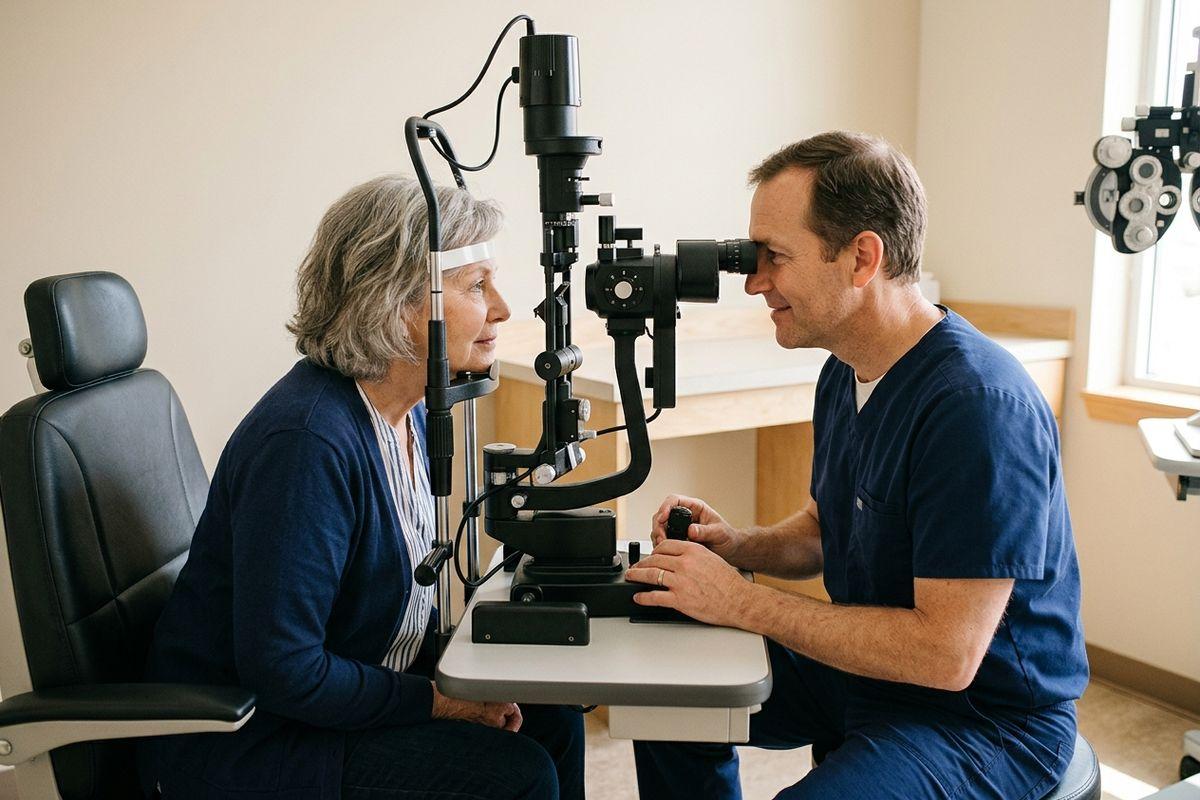
If you have diabetes, yearly dilated eye exams are an important part of your care. High blood sugar can gradually damage the small blood vessels in your retina, leading to a condition called diabetic retinopathy. The tricky part is that it often develops without any noticeable symptoms in the early stages. A dilated exam is one in which your eye doctor uses drops to dilate your pupils for a better view of the retina. It’s one of the few ways to catch retinopathy early.
Other Risk Factors to Know
Some situations may mean more frequent visits are right for you. Talk to your eye doctor about your personal schedule if any of these apply:
- A family history of glaucoma or macular degeneration raises your personal risk for both conditions.
- A previous eye injury or surgery may require ongoing monitoring.
- Certain medications can affect vision or eye pressure over time.
Signs You Shouldn’t Wait for Your Next Scheduled Exam
Some changes in your eyes aren’t something to wait on. If any of the following happen, reach out to schedule an appointment right away rather than waiting for your next annual visit:
- Sudden flashes of light or a noticeable increase in floaters, those small spots or threads drifting across your vision.
- Eye pain, redness, or double vision that comes on without an obvious cause.
- A noticeable drop in sharpness or clarity that feels different from your normal day-to-day vision.
Sudden flashes and floaters in particular can sometimes signal a retinal tear, which needs prompt attention. The flashes and floaters page explains what to watch for and when it becomes urgent. For anything that feels like an eye emergency, emergency eye care is available.
Screen Time and Its Effect on Your Eyes
The 20-20-20 Rule for Screen Use
If you spend several hours a day looking at a screen, your eyes are working harder than you might realize. A simple habit can help reduce that strain. For every 20 minutes of screen use, look at something about 20 feet away for 20 seconds. It gives your eye muscles a brief break from the constant close focus that screens demand.
When to Bring It Up at Your Exam
Mention your daily screen hours when you come in. Dry eye and digital eye strain often go together, and the symptoms overlap in ways that can be easy to miss. Burning, watering, or tired-feeling eyes by afternoon might point to one or both. Your eye doctor can help sort out what’s going on and recommend a plan that fits your routine.
Take Care of Your Sight
At EyeWorks Madison, our team sees patients of all ages from Madison and the surrounding area. Whether you’re scheduling your child’s first exam, managing a chronic condition, or just overdue for a checkup, call the office to schedule your appointment.