

Key Takeaways
- Daily disposable lenses are designed for single use only and should be thrown away at the end of each day.
- Proteins, lipids, and bacteria collect on lenses throughout the day and cannot be fully removed by cleaning.
- Sleeping in daily lenses or reusing them raises your risk of eye irritation and infection.
- If your eyes feel uncomfortable or red with contacts, remove them and contact your eye doctor.
You’re at the end of a long day, your contacts feel fine, and the box is almost empty. It’s tempting to set them in solution and wear them again tomorrow. EyeWorks Madison sees this question come up regularly, and it’s worth understanding what’s actually happening to that lens after a full day of wear.
Reusing daily disposable contact lenses is not safe, even if they feel comfortable and look undamaged. The reason comes down to what builds up on the lens surface throughout the day, and what the lens material is actually designed to handle. If you’re unsure what type of lenses you have, a contact lens exam can clarify your prescription and the right lens for your eyes.
Daily Disposable vs. Extended-Use Contacts
Not all contact lenses work the same way, and the type you wear changes everything about how you should care for them.
Daily disposables are thin, lightweight lenses made for one day of wear. You open a fresh pair in the morning and toss them at night. No cleaning, no cases, no solution needed. Extended-use lenses, sometimes called biweekly or monthly lenses, are built from thicker, more durable material. They’re meant to be worn, cleaned, and stored in solution for up to 30 days with proper care.
If you’re not sure which type you have, check the box. It should say “daily,” “1-day,” “biweekly,” or “monthly” on the label. That distinction matters more than most people realize.
Why Reusing Daily Disposables Is a Problem
What Builds Up on a Used Lens?
From the moment you put a contact lens in, your eye starts depositing proteins and lipids onto the surface. That’s a normal part of how your eye responds to a foreign object. By the end of the day, that buildup is significant.
Bacteria also collect on the lens throughout the day. If you’ve been around pets, outdoor air, or touched your face, allergens and microorganisms cling to the lens material. These don’t simply rinse away.
Think of it like a kitchen sponge: using it to wipe down counters all day traps moisture, oils, and microscopic particles from the air. Letting it sit overnight means what looks like a simple tool becomes a micro-ecosystem of trapped organic material that standard rinsing cannot fix. You likely would not pick up that same unwashed sponge to scrub your kitchen counters or wash a mug for your morning coffee.
Risks Worth Knowing
Wearing a contaminated lens puts all of that buildup in direct contact with your eye again. That can lead to redness, irritation, and a gritty, uncomfortable feeling. In more serious cases, bacteria on a reused lens can lead to a corneal infection, which is an infection of the clear front surface of your eye.
Can You Clean a Daily Lens and Wear It Again?
The short answer is no, and cleaning can actually make things worse in some ways.
Daily disposable lenses are made from a thinner material than reusable lenses. That material isn’t built to hold up to contact lens solution, rubbing, or overnight storage. Cleaning weakens the lens structure. A lens that’s been soaked overnight can become fragile enough to tear or break apart while it’s in your eye.
Cleaning also doesn’t remove bacteria the way most people assume. Solution reduces bacteria, but it doesn’t get rid of it completely, especially when the lens material has already started to break down. You’re essentially putting a compromised lens back into your eye with a false sense of security.
Common Daily Contact Mistakes to Avoid
Before You Put Them In
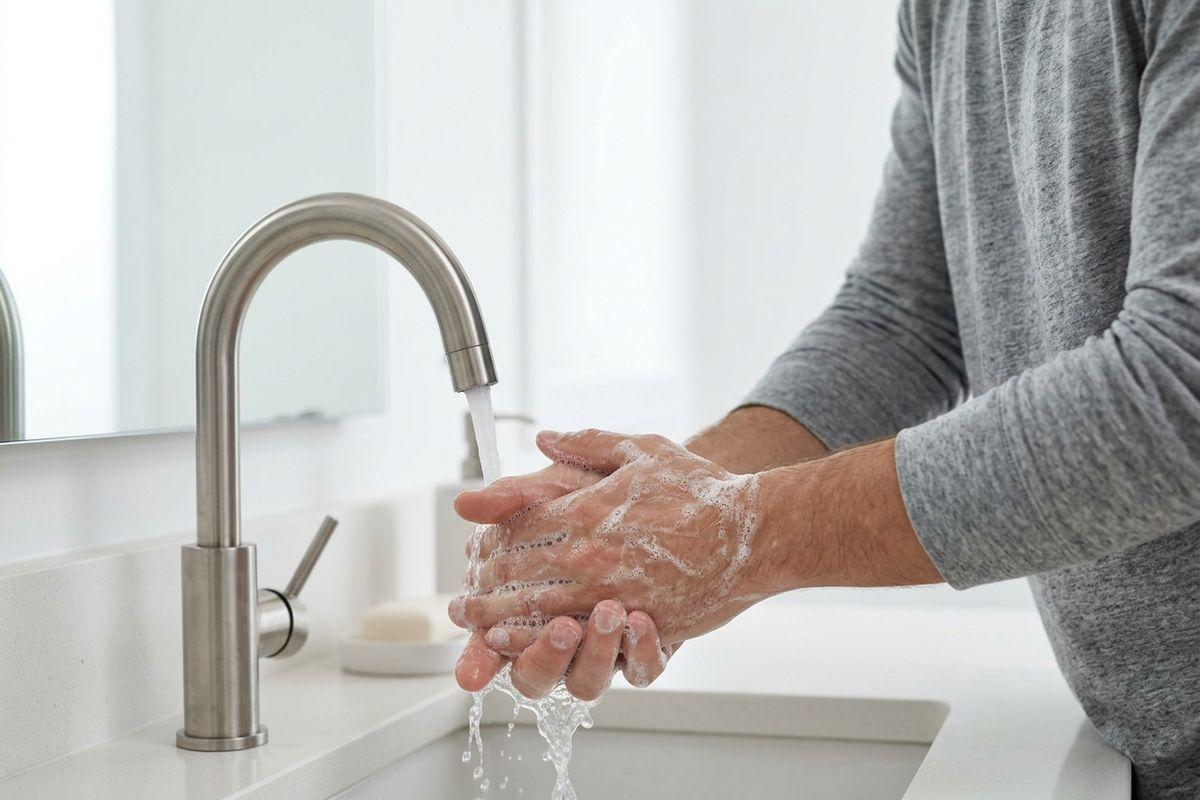
Wash your hands before handling lenses every time. Even if your hands look clean, skin carries oils and microorganisms that transfer directly to the lens. It’s also worth putting your contacts in before applying makeup, hairspray, or anything else near your face. Airborne particles from those products can settle on a fresh lens fast.
During and After Wear
- Remove your lenses if your eyes feel irritated, dry, or uncomfortable at any point during the day.
- Never sleep in daily disposable lenses, even for a short nap.
- Try to keep daily wear to 14 to 16 hours at most.
When to See Your Eye Doctor
Some contact issues are easy to brush off, but a few signs mean it’s time to call your eye doctor. Ongoing redness, pain, or blurred vision while wearing contacts aren’t things to wait out. A lens that feels uncomfortable much sooner than it used to can also mean your prescription has changed or your lens type isn’t the right fit anymore.
Persistent dryness with contacts can sometimes point to an underlying condition like dry eye, which is worth having checked. If you’ve been thinking about switching lens types or you’re due for a contact lens exam, that’s also a good reason to schedule an appointment. Getting the right lens for your eyes can make daily wear a lot more comfortable.
At EyeWorks Madison, our team can help you find the right contact lens fit for your lifestyle and eyes. Call the office or book online to set up your contact lens exam.