
Key Takeaways
- A routine eye exam can reveal signs of heart disease, high blood pressure, diabetes, and more.
- Some conditions show up in your eyes, often before you notice any other symptoms.
- Annual eye exams help catch changes early, which matters for long-term eye and body health.
- People with diabetes, high blood pressure, or a family history of eye disease may need more frequent exams.
Most people schedule an eye exam when their vision gets blurry, or it’s time for a new prescription. That makes sense. But there’s a lot more happening during a comprehensive exam than a lens check.
A trained eye doctor can spot early signs of serious health conditions, including heart disease, diabetes, and neurological disorders, all by looking at the back of your eye.
Your retina is the only place in your body where live blood vessels and nerve tissue can be seen directly, without any cutting or imaging. That makes an eye exam one of the few routine appointments that gives a clear window into your overall health. Eye disease diagnosis and management at EyeWorks Madison go well beyond a simple prescription check.
Heart Health, Blood Pressure, and Cholesterol
Signs of Heart Disease in the Eye
Your retinal blood vessels respond to what’s happening in your cardiovascular system. When blood supply to the retina is blocked, it can be a sign that the arteries supplying your heart and brain are under stress, too. Tiny clots visible in the eye’s small arteries are sometimes the first sign of elevated stroke risk. These clues can appear before a cardiac event, which is exactly why catching them matters.
High Blood Pressure and Cholesterol Clues
Retinal vessels that appear kinked, narrowed, or show signs of bleeding can indicate high blood pressure. You might feel completely fine, but your eyes tell a different story. A yellowish or grayish ring around the outer edge of the cornea can sometimes indicate high cholesterol, particularly in younger adults. Neither of these things is something you’d notice yourself in a mirror. A comprehensive eye exam can detect over 270 health conditions, including high blood pressure and cholesterol changes that don’t yet show any other symptoms.
Diabetes and Diabetic Eye Disease
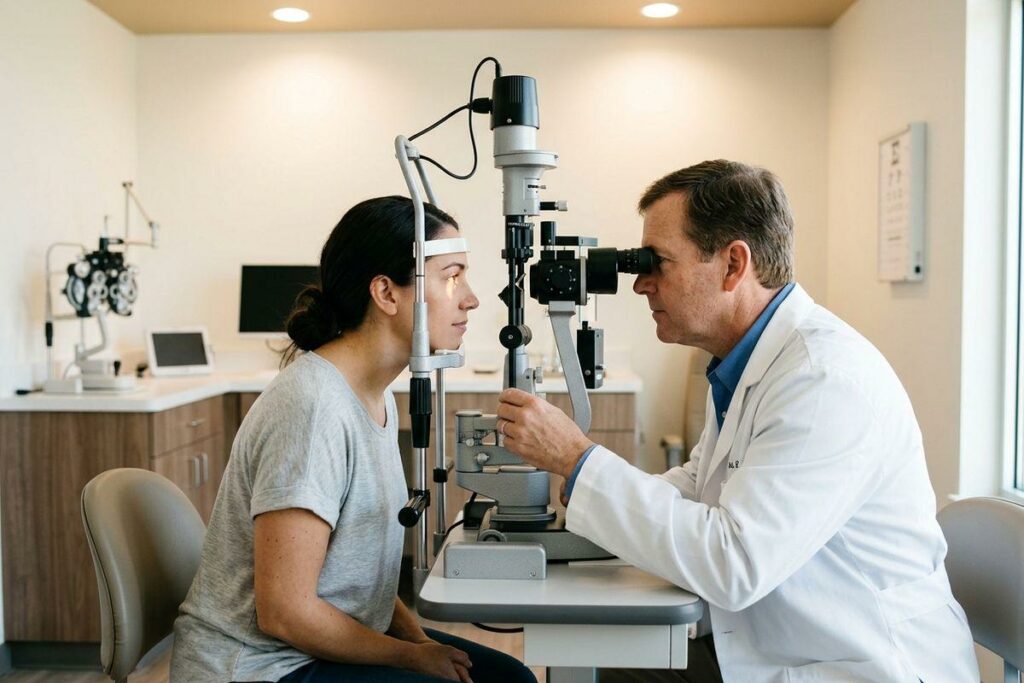
Diabetic retinopathy occurs when blood vessels in the retina leak fluid or blood. During a dilated eye exam, your eye doctor examines the retina closely for these early changes. What’s striking is that signs of diabetic retinopathy can appear even before a person knows they have diabetes. That window of early detection is significant.
Why Early Detection Matters
When changes are caught early, there’s more room to manage the condition and reduce the risk of serious vision loss down the road. For anyone already diagnosed with diabetes, annual diabetic eye exams help track how the disease is progressing and whether anything has changed since the last visit. Skipping a year isn’t a small thing when it comes to diabetic eye health.
Neurological and Autoimmune Conditions
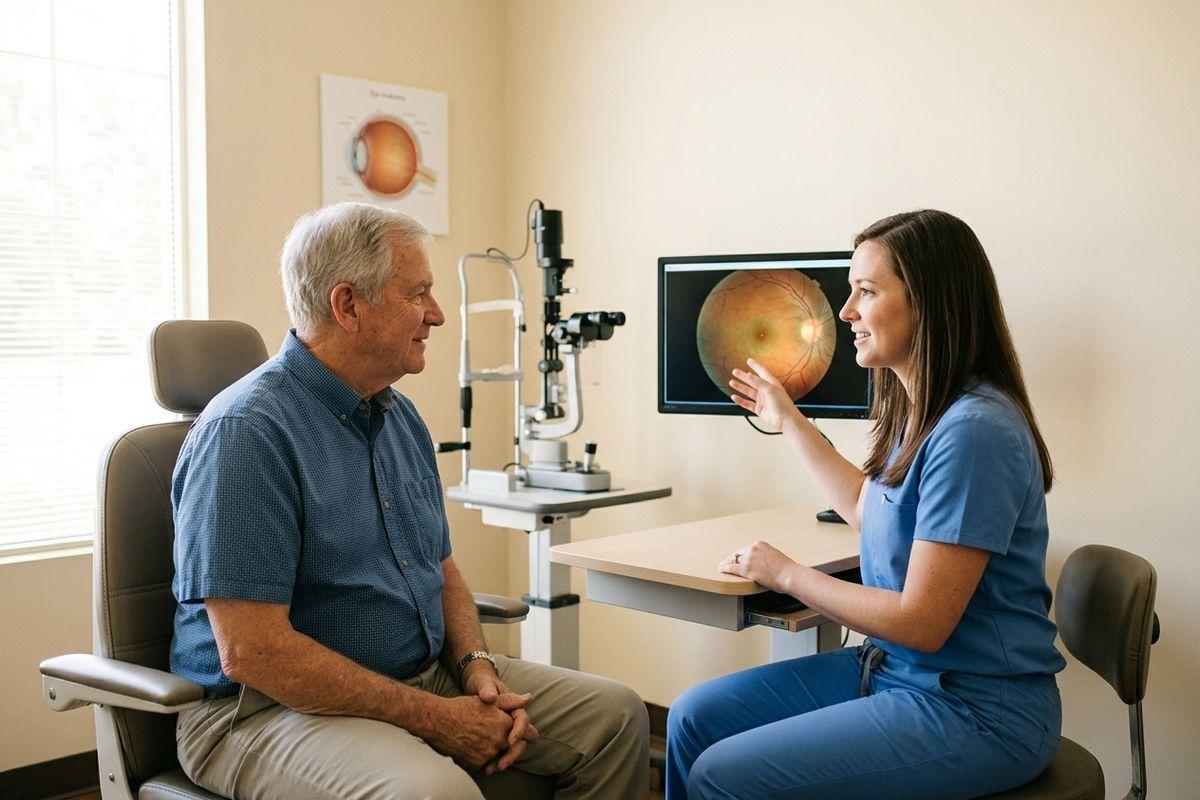
The optic nerve connects your eye directly to your brain. Swelling along that nerve can be a sign of increased pressure inside the skull, which may point to a brain tumor, multiple sclerosis, or other neurological conditions. Gradually developing side vision loss is another finding that can signal a stroke or damage to certain parts of the brain. These are findings a person often doesn’t notice on their own until the changes become significant. Optical coherence tomography (OCT) is one imaging tool that helps eye doctors examine optic nerve tissue in detail during a routine visit.
Autoimmune Conditions Visible in the Eye
Several autoimmune conditions leave visible signs in the eye. Persistent dry eyes and chronic inflammation can be associated with lupus or Sjögren’s syndrome. Rheumatoid arthritis sometimes causes redness, discomfort, and inflammation in the eye that come and go alongside joint flares. Thyroid eye disease, which affects some people with overactive or underactive thyroid, can cause the eyes to appear more prominent or change how the eyelids sit. These aren’t always obvious, but a thorough exam can pick them up.
How Often You Should Get an Eye Exam
Exam Frequency by Age and Risk
Adults with no known risk factors should have a comprehensive eye exam every 1 or 2 years, even if their vision seems fine. If you have diabetes, high blood pressure, a family history of glaucoma, or a history of eye problems, earlier and more frequent visits make sense. Children benefit from exams starting young, since vision problems can affect learning in ways that aren’t always obvious in the classroom.
What to Expect at EyeWorks Madison
EyeWorks Madison offers comprehensive eye exams for patients of all ages, along with diabetic eye exams and eye disease diagnosis for those managing chronic conditions. Our team takes time to look at the full picture, not just your prescription. If it’s been more than a year since your last visit, or if you’ve never had a complete dilated exam, now is a good time to schedule one. You can book an appointment at EyeWorks Madison in Madison, Mississippi, and get a clear picture of where your eye health stands today.